What Title 24 Actually Is
Title 24 is the name of California's building code, and Part 6 of it covers energy use. It sets rules for how much energy a building is allowed to use, and HVAC equipment is one of the biggest pieces of that calculation. Malibu falls into Climate Zone 6 under the California Energy Commission's climate zone system, and that classification is part of what decides which efficiency thresholds apply to equipment installed here. When you replace a furnace, swap a condenser, or add ductwork anywhere in Malibu, Pacific Palisades, Topanga, or Calabasas, Title 24 is the reason the job needs a permit and paperwork, not just a new box on the pad.
Homeowners moving from other states are often surprised by how much documentation a straightforward HVAC replacement generates here. This guide walks through what the code actually requires, why it applies to a routine swap and not just new construction, and what that means for your permit and your closing paperwork if you are buying or selling.
Why an Existing System Falls Under the Code
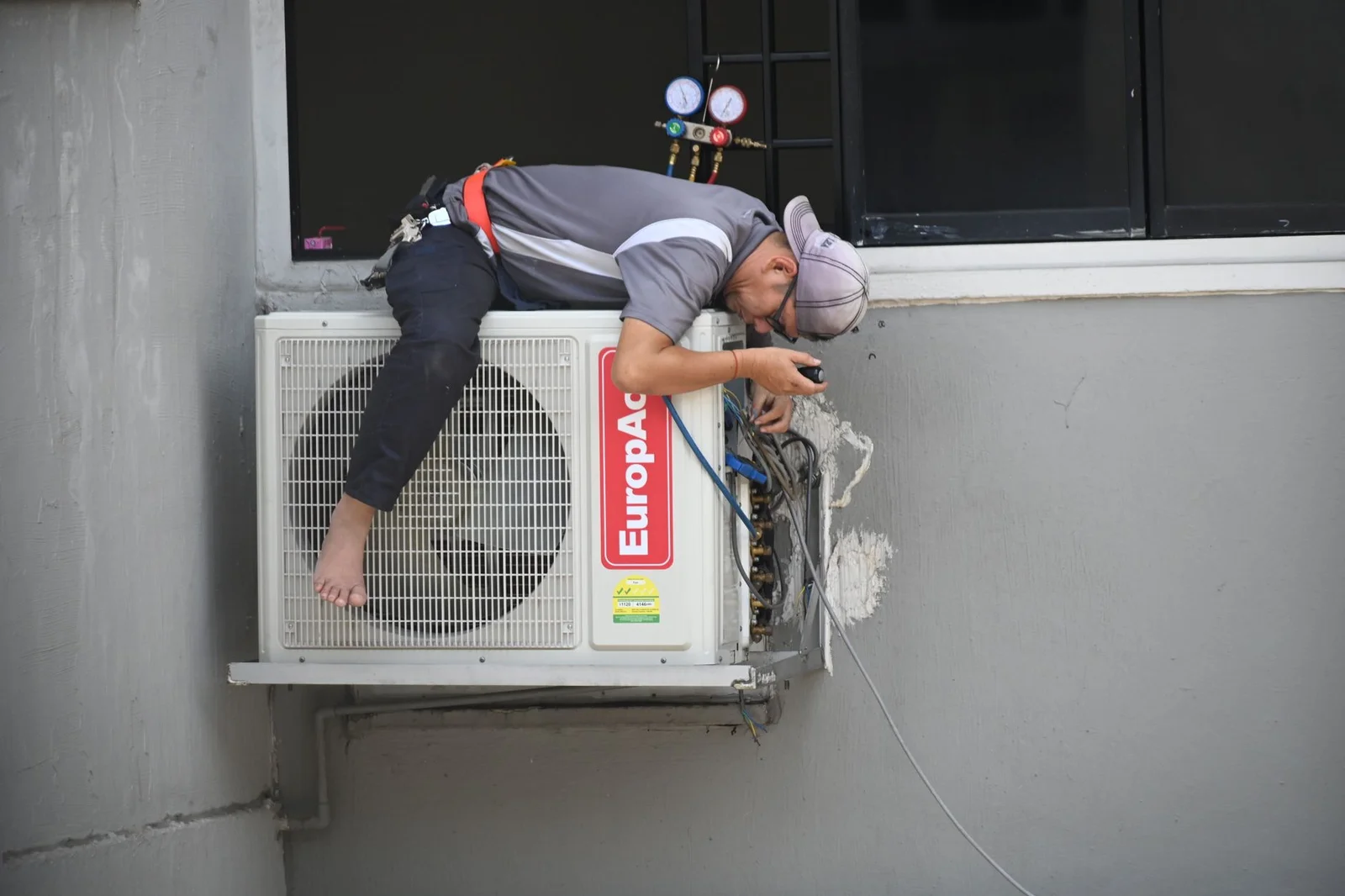
New construction is the obvious case. Title 24 also applies to alterations, and a straight equipment swap counts. Replacing a furnace, adding a heat pump, or changing out a condenser triggers compliance requirements even when nothing about the ductwork or the house itself is changing. The logic behind this is simple. Equipment efficiency has moved forward since most homes were built, and the code is a way of making sure a replacement does not lock in outdated performance for another fifteen or twenty years.
The Mechanical Permit Itself
The City of Malibu requires a mechanical permit for new HVAC installations and for replacements that change the equipment's size or location. This applies whether you are increasing capacity or simply putting a new condenser somewhere other than where the old one sat. Skipping the permit on a like for like swap happens informally more often than it should, and it leaves the work undocumented, which matters later if a warranty claim or a home sale ever depends on that paperwork existing.
Compliance Documents Are Part of the Job
A insured contractors doing HVAC work under permit files a compliance document, commonly called a CF-1R, with the building department. It shows the new equipment meets the applicable SEER2 and other efficiency thresholds for Climate Zone 6, and it becomes part of the permanent record for the property. If you are selling a home later, this is exactly the kind of documentation buyers and their agents ask about.
The Role of a HERS Rater
Certain HVAC measures require field verification by a HERS rater, a technician experienced separately from the installing contractor to independently confirm the work meets code. HERS stands for Home Energy Rating System, and the rater's job is to check things the installing contractor cannot self-certify, like duct leakage and refrigerant charge on some systems. This is a separate visit from the installation itself, scheduled once the equipment is in and the system is ready to test.
Duct Testing and Why It Comes Up So Often
Duct leakage testing is one of the most common Title 24 requirements homeowners run into, and it catches people off guard because it applies even when the ductwork itself was not part of the job. If you are replacing a furnace or air handler connected to existing ducts, the code often requires those ducts to be tested and, if leaky, sealed as part of the same project. This matters a lot for older housing stock. A lot of homes built decades ago along Pacific Coast Highway, and in older sections of Topanga, have ductwork that has never been tested, and a straightforward equipment swap can turn into a duct sealing project once testing reveals how much air is escaping into the attic.
Malibu's Coastal Zone and HOA Rules Add a Layer
Homes in Malibu's Coastal Zone, which covers most properties south of the ridgeline, may need a Coastal Development Permit review on top of the standard mechanical permit, depending on the scope of the work. Some HOAs in gated communities, including Malibu Colony and Serra Retreat, add their own rules about where an outdoor condenser can sit and how much noise it can generate. None of this usually stops a straightforward HVAC replacement, but it is worth checking with the city and, if applicable, your HOA before you schedule work, especially if the new equipment will sit somewhere different than the old unit did.
Topanga's Permit History Can Complicate a Sale
Topanga's canyon parcels are frequently older, and it is not unusual to find equipment that was replaced at some point without a permit ever being pulled. This becomes a real issue during a sale, since an unpermitted HVAC system can hold up escrow while the seller works to get it retroactively documented or a buyer negotiates a credit to account for the uncertainty. If you are planning to sell a Topanga property with HVAC equipment of unknown permit history, it is worth having a contractor assess the situation before you list.
What Happens During Inspection
A building inspector visits the property after the HVAC work is complete to confirm the installation matches what was permitted. Separately, the HERS rater confirms energy compliance measures like duct sealing where required, and signs off on the CF-1R paperwork. Both steps need to close out before the permit is finalized. Skipping either one leaves the permit open, which shows up as a red flag in a title search or a real estate transaction.
Common Misconceptions About Title 24
A few misunderstandings come up often. One is that Title 24 only applies to new construction, when in fact most residential HVAC replacements in this state fall under it. Another is that a homeowner can skip the permit on a like for like swap, which is technically not allowed even though it happens informally in practice. A third misconception is that the HERS rater and the contractor are the same person or the same visit. They are not. The rater's independence from the installer is part of what makes the verification meaningful.
What This Means for Your Project Timeline
Because of the permit, the possible duct testing, and the HERS verification step, a Title 24 compliant HVAC replacement takes longer than just physically swapping equipment would suggest. Turnaround varies by jurisdiction. Malibu and Calabasas are each their own city with their own building department, Pacific Palisades permits run through the City of Los Angeles, and Topanga's permits go through unincorporated Los Angeles County. Planning for this upfront, rather than assuming a same day equipment swap, avoids surprises partway through a project.
Questions Worth Asking Your Contractor
Before work starts, ask whether the contractor pulls the permit themselves or expects you to, whether duct testing is likely given the age of your home, and whether the CF-1R paperwork and a HERS rater visit are already built into the project timeline. A contractor who does this kind of work regularly in Malibu, Pacific Palisades, Topanga, or Calabasas should be able to answer all three without hesitation.
Get Compliant HVAC Work Done Right
Whether you are replacing a furnace, adding a heat pump, or dealing with a system of uncertain permit history before a sale, Title 24 compliance is not optional and skipping it creates problems that surface later, usually at the worst possible time. Call Malibu Coast AC Repair at (877) 352-4408 to talk through what your specific property and project actually require.
Need Professional HVAC Service?
Our HVAC-experienced technicians are ready to help with all your AC and heating needs. Contact Malibu Coast AC Repair today for expert service throughout the the Malibu coast service area.